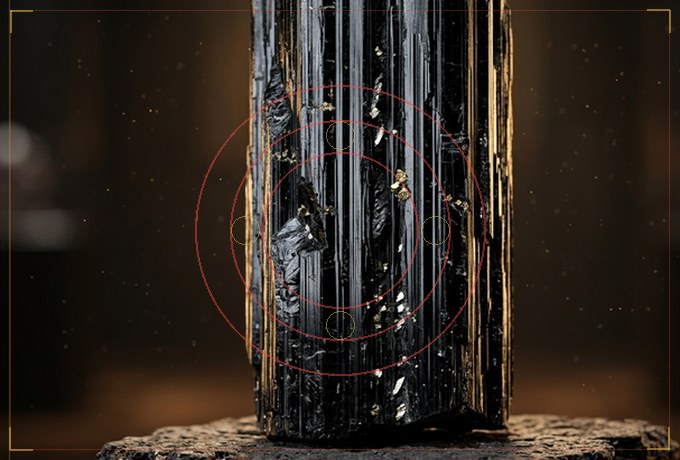
Root Chakra (Muladhara) Crystals
In modern seven chakra practice, the root symbolizes belonging, stability and personal boundaries. It is a spiritual concept, not a regulator of the nervous system or financial security.
Color, Mineral Appearance & Symbolism
Black Tourmaline, Hematite, Smoky Quartz, Shungite, Red Jasper and Garnet are grouped here for their dark or red colors and varied textures. Those physical features do not establish an effect on a chakra.
Themes for Personal Reflection
Use belonging and stability as optional journal themes: where do you feel supported, and what practical boundary would help? Feelings and physical symptoms cannot establish whether a chakra is blocked.
All 12 Encyclopedia Stones Aligned with the Root Chakra (Muladhara)
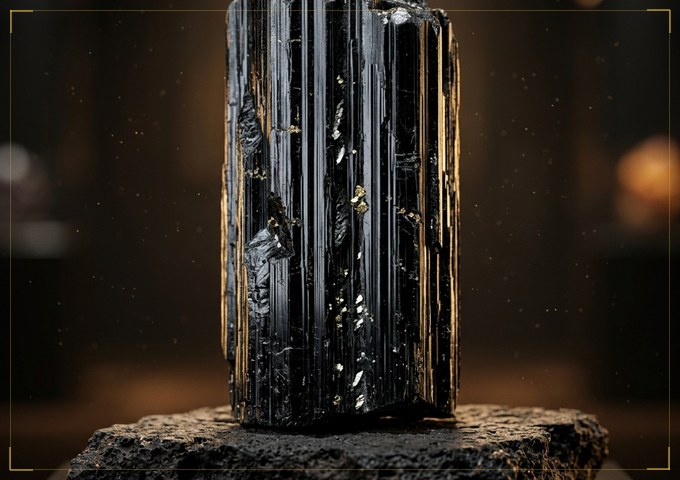
Black Tourmaline
Black Tourmaline, also called Schorl, is recognized by its dark color and vertically striated crystals. Modern crystal traditions use it as a symbol of grounding and personal boundaries.
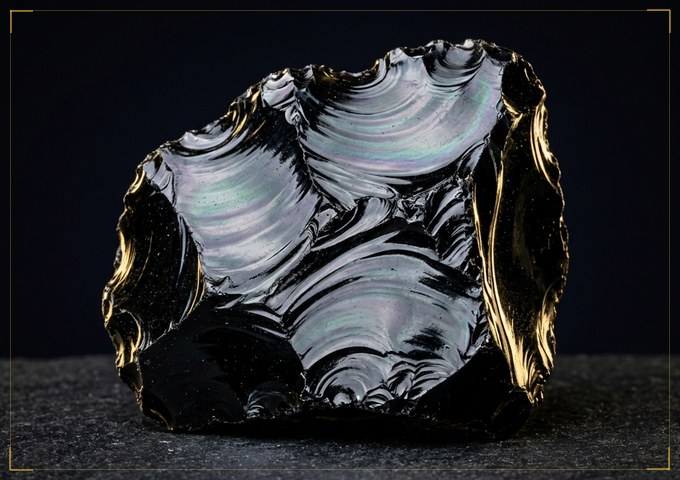
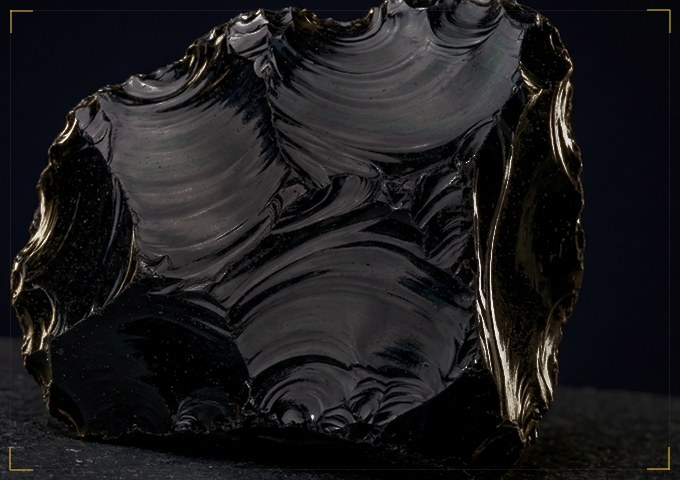
Black Obsidian
Black Obsidian is a natural volcanic glass formed when silica-rich lava cools rapidly. Its reflective surface has inspired divination traditions and modern rituals of self-reflection.
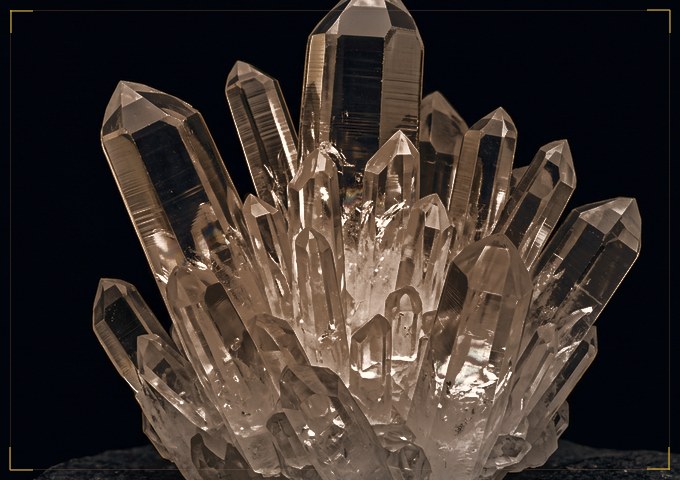
Smoky Quartz
Smoky quartz ranges from warm brown to deep charcoal. Modern crystal traditions use those earthy tones as a symbol of grounding and letting go.
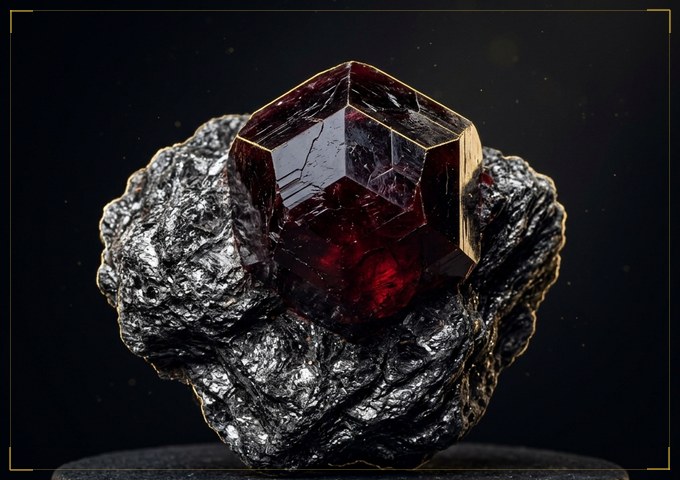
Almandine Garnet
Red garnets resemble pomegranate seeds, a connection reflected in the name's Latin roots. Modern crystal traditions associate them with devotion, resolve and vitality as a theme.
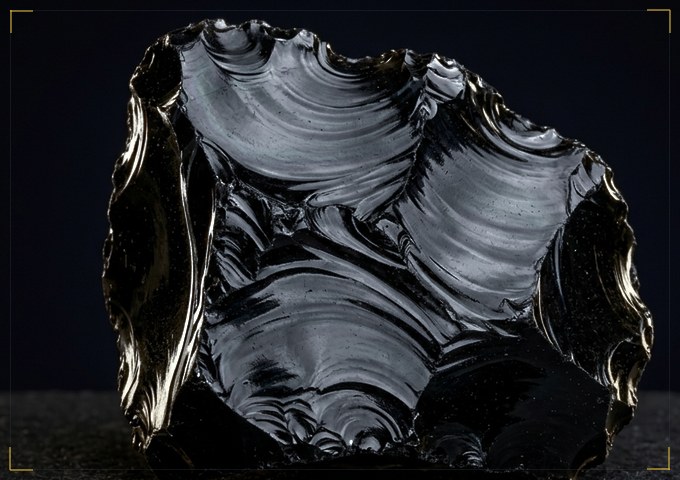
Shungite
Shungite is a dark, carbon-rich rock associated with Karelia. Polished shapes and rough pieces are used as display objects and as symbols of grounding in modern crystal practices.
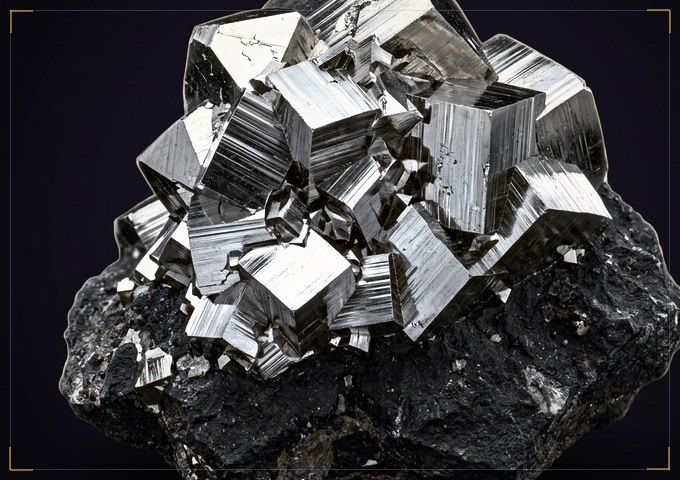
Hematite
Hematite is an iron oxide with a red-brown streak, even when its surface looks metallic gray. Its weight and sheen make it a popular tactile object and display specimen.
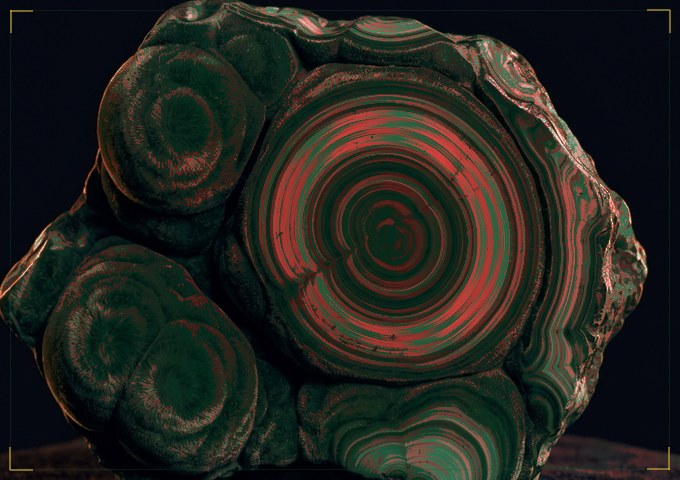
Bloodstone (Heliotrope)
Bloodstone, also called heliotrope, is dark green chalcedony with red markings. Modern crystal traditions associate its striking colors with courage and perseverance.
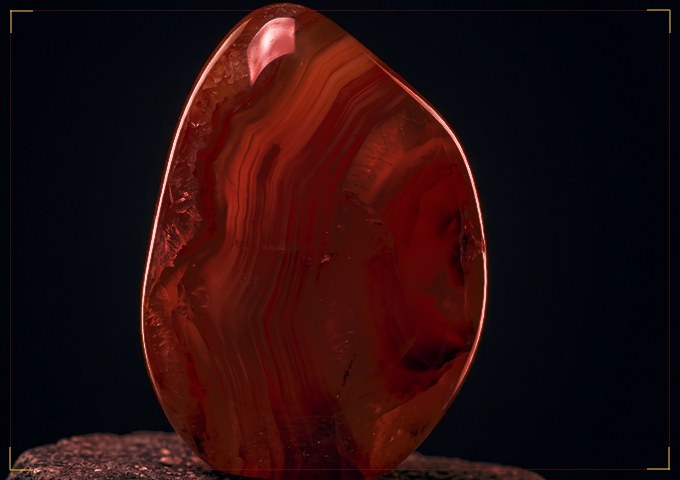
Red Jasper
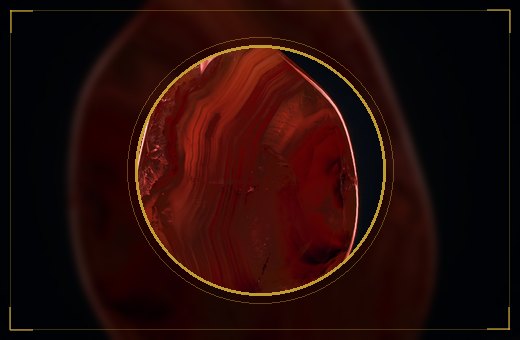
Iron oxide gives Red Jasper its terracotta and crimson colors. Modern crystal traditions use it as a symbol of endurance, perseverance, and a connection with the earth.
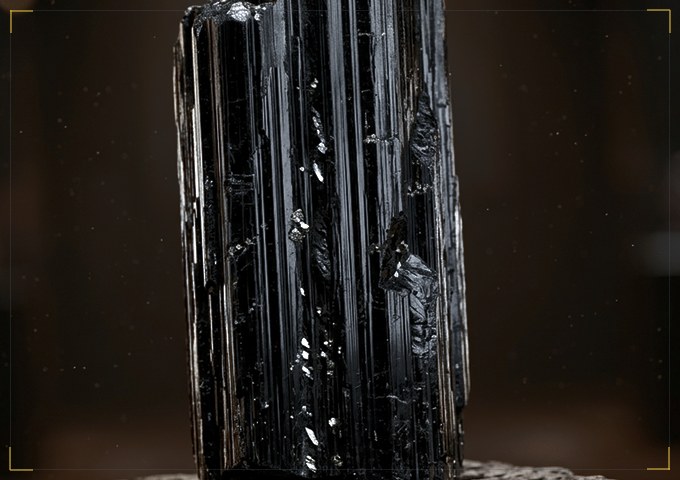
Black Kyanite
Black Kyanite grows in charcoal-silver fans that resemble small brooms. Some modern crystal practitioners use this shape in symbolic aura-sweeping rituals.
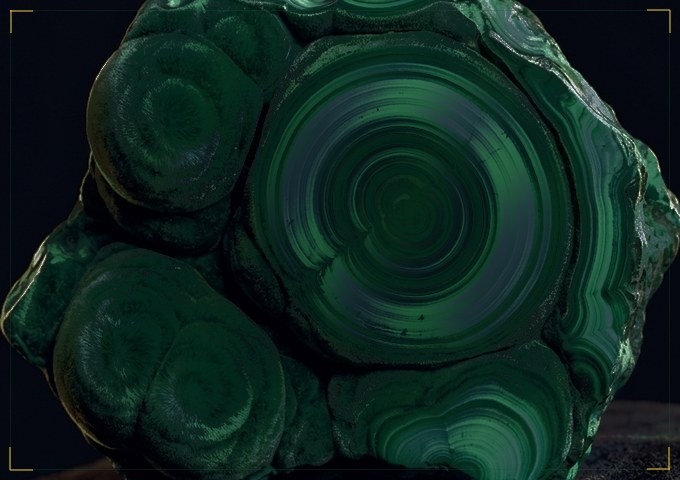
Kambaba Jasper (Eldarite)
Kambaba Jasper has dark green and black orbicular patterns. Modern crystal traditions associate its earth-like colors with stillness and a connection with nature.
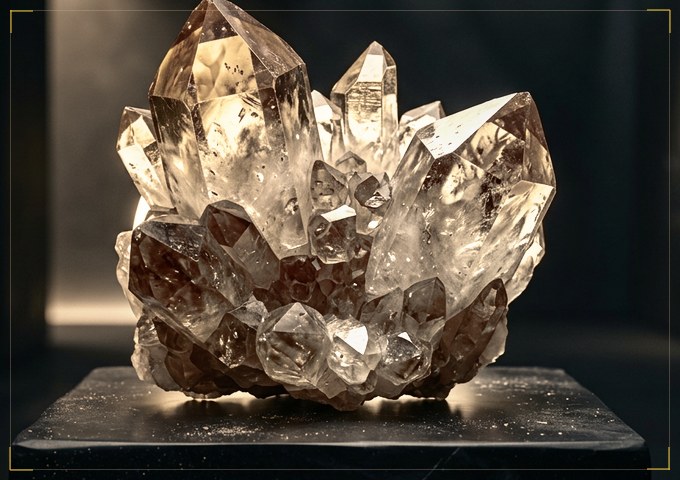
Saharan Desert Rose Selenite
Desert Rose forms petal-like gypsum rosettes that enclose grains of desert sand. Modern crystal traditions use this flower-like shape as a symbol of resilience.
Apache Tear Obsidian
Apache Tears are rounded Obsidian nodules that can look black in the hand and translucent brown against a light. Modern crystal traditions associate them with remembrance.
Recommended Root Chakra (Muladhara) Kits & Stones
As an Amazon Associate we earn from qualifying purchases. Affiliate information
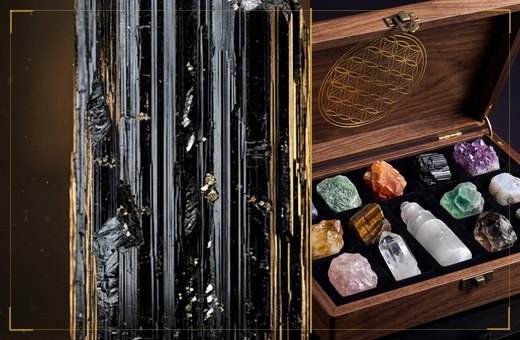
Root themed dark & red stone sets
Check the included minerals, sizes and treatment disclosures. Chakra sets follow modern symbolic conventions rather than a medical standard.
Raw Tourmaline specimens
Compare dimensions, finish, treatments and care instructions. Material identity cannot be established from a spiritual label.
Root Chakra (Muladhara) Crystal FAQ
Which crystals are traditionally associated with the Root Chakra (Muladhara)?
Black Tourmaline, Hematite, Smoky Quartz, Shungite, Red Jasper and Garnet are grouped here for their dark or red colors and varied textures. Those physical features do not establish an effect on a chakra. Top stones in our encyclopedia include Black Tourmaline, Black Obsidian, Smoky Quartz, Almandine Garnet, Shungite, Hematite.
What themes are associated with the Root Chakra (Muladhara)?
Use belonging and stability as optional journal themes: where do you feel supported, and what practical boundary would help? Feelings and physical symptoms cannot establish whether a chakra is blocked.